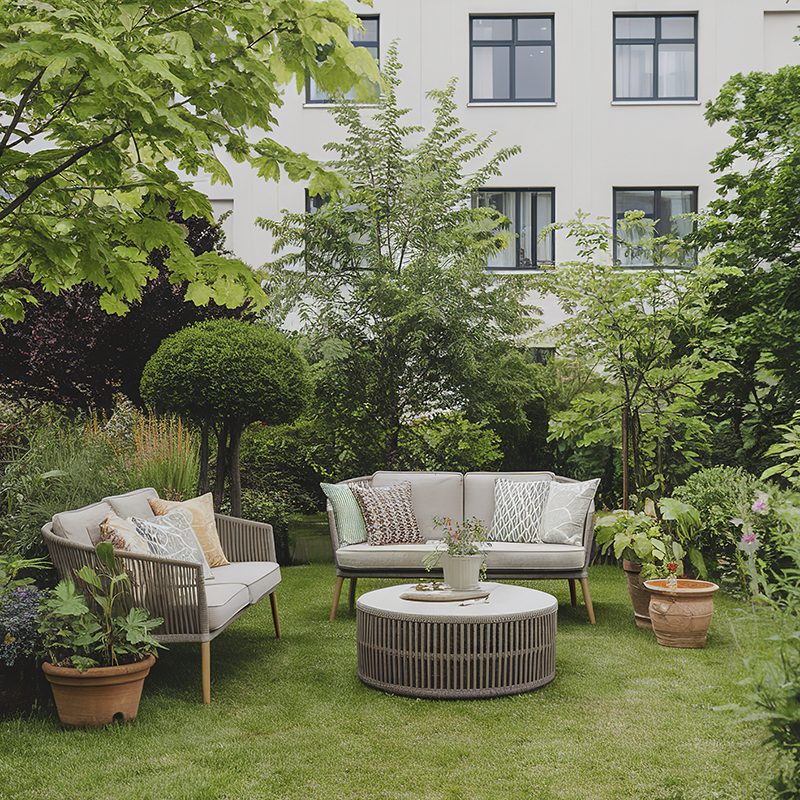
A well-kept New Jersey yard often begins with familiar intentions: a few foundation shrubs installed years ago, a stretch of turf kept green for summer gatherings, perhaps a seasonal burst of color that comes and goes with the planting calendar. Over time, though, many homeowners find themselves spending more effort—and more resources—on maintaining that traditional look than they originally expected.
A Jersey Friendly Yard, the concept from the state Department of Environmental Protection and Barnegat Bay Partnership, offers a different path forward. It retains beauty and structure, but is rooted in a more ecologically attuned approach to outdoor living.
Site matters
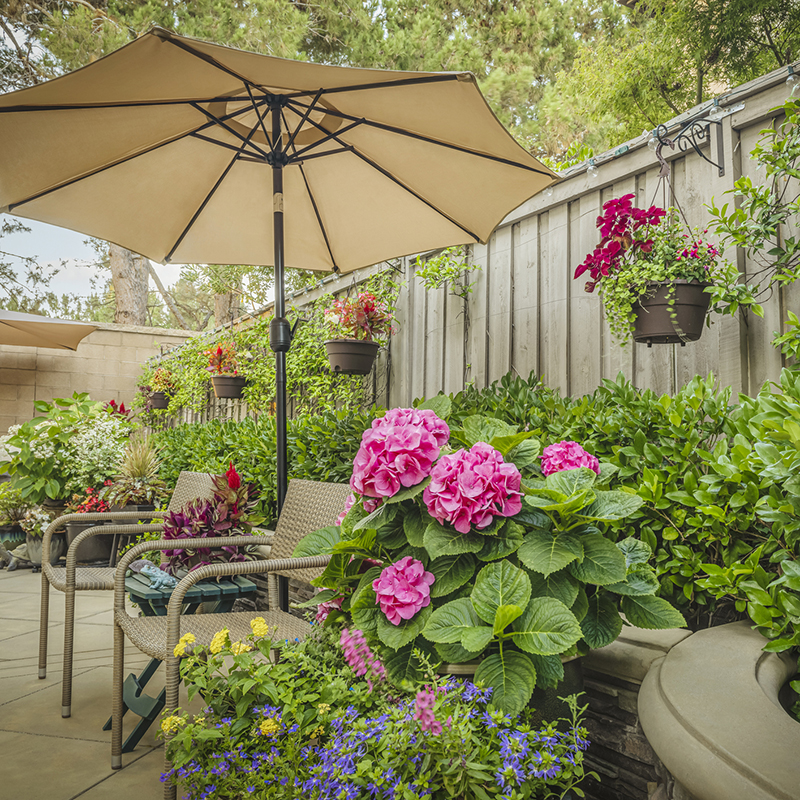
The process begins with understanding the property: Sun exposure, soil conditions, drainage patterns and how the yard is used all shape a successful design. Rather than forcing a predetermined look, this step encourages homeowners and their landscape professionals to let the site guide decisions. Building healthy soil—through organic matter and mindful care—is foundational, creating the conditions for stronger plants while also supporting cleaner runoff into local waterways.
Smarter water and soil
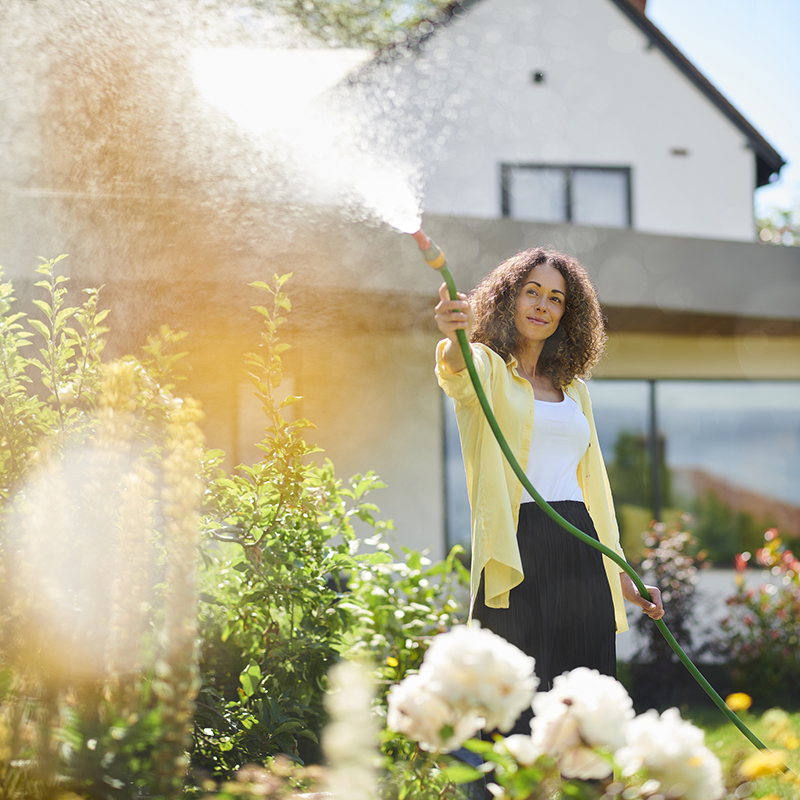
Water is treated as a resource to be directed, not wasted. Jersey Friendly Gardens prioritize efficient watering strategies, including capturing rainfall, slowing runoff and directing it into planted areas where it can be absorbed naturally. Rain gardens—native shrubs, perennials and flowers planted in a small depression to hold water runoff—and carefully chosen plantings help reduce irrigation demands over time. In tandem, fertilizer use is minimized to prevent excess nutrients from entering stormwater systems, while still supporting robust plant growth through healthier soil biology.
Better maintenance practices
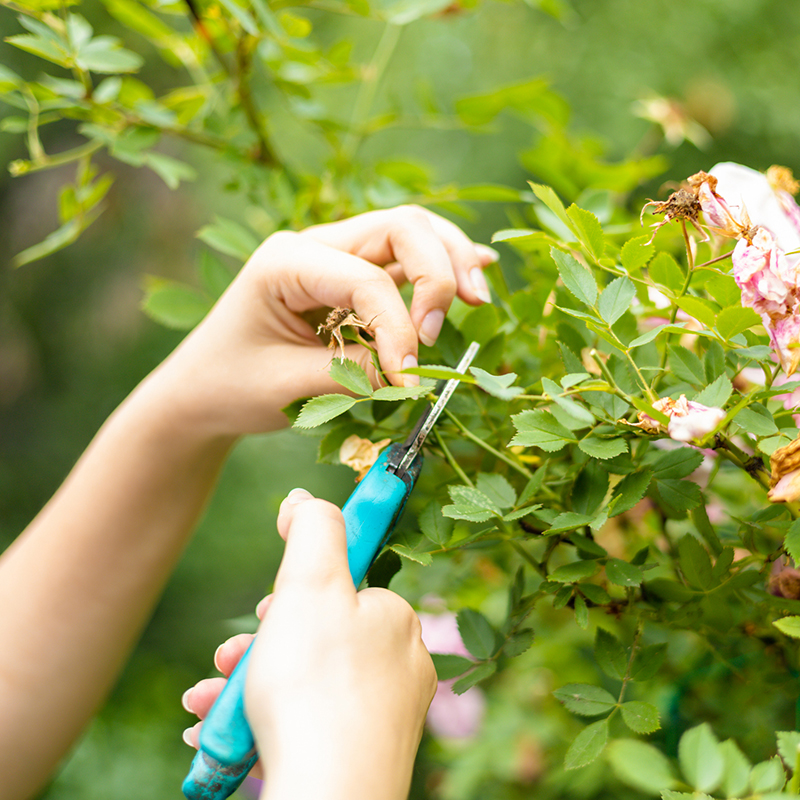
Instead of routine chemical treatments, this approach emphasizes prevention and balance. Healthy soil, diverse plantings and ecological awareness reduce the need for pesticides in the first place. When issues do arise, solutions tend to be targeted and non-toxic, protecting beneficial insects and preserving the natural systems that keep a landscape resilient.
Reducing lawn, increasing life
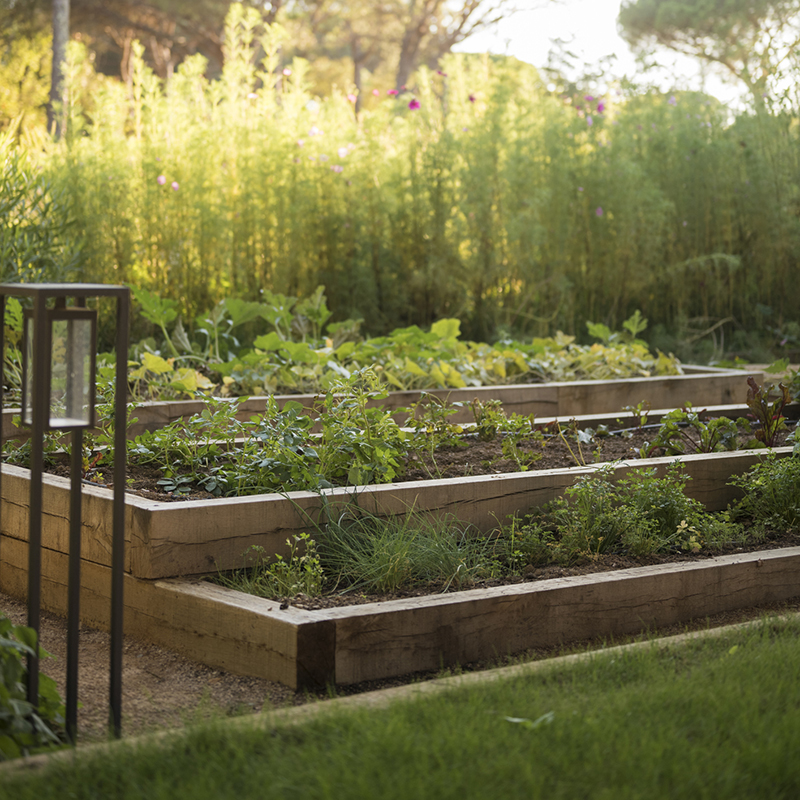
One of the most visible shifts comes from rethinking the traditional lawn. Replacing portions of turf with native plant beds reduces maintenance while dramatically increasing ecological value. Layered plantings—trees, shrubs, perennials and groundcovers—introduce depth, seasonal change, and habitat for pollinators and birds. The result is a landscape that feels richer and more dynamic, even as it becomes less labor-intensive to maintain.
Designing for the ecology
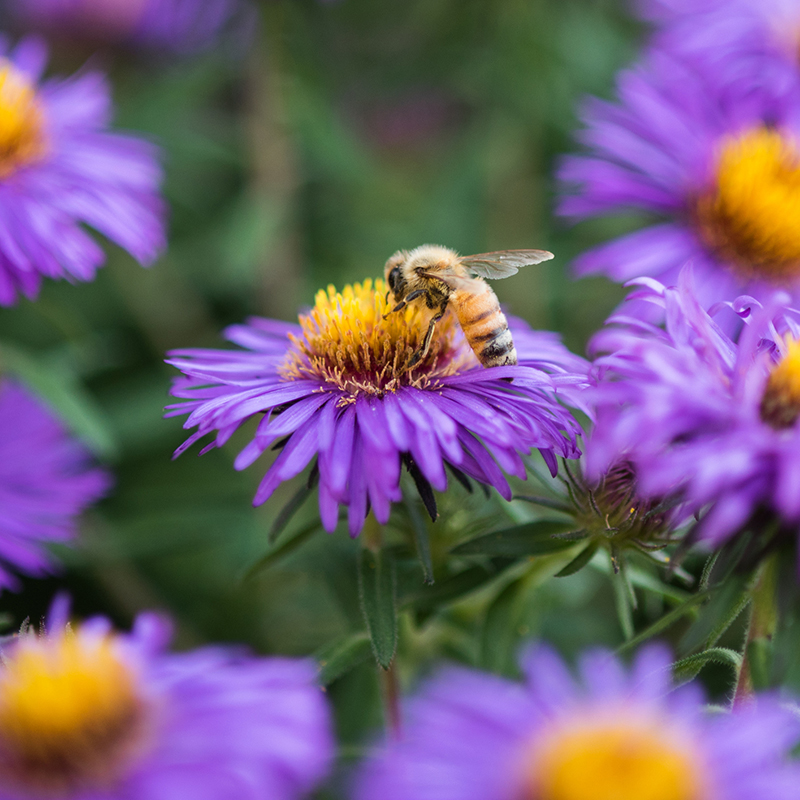
A Jersey Friendly Garden is designed to support local ecosystems. Native plants provide food and shelter throughout the year, while thoughtful additions like water sources or natural habitat features help sustain biodiversity. The garden becomes not just decorative, but functional—supporting pollinators and wildlife that are essential to regional ecological health.
The folks at CLC Landscape Design in Ringwood say adding perennials is a good idea. “Perennials create healthier, more resilient landscapes. Their established root systems improve soil structure, support pollinators and reduce the need for replanting—while thoughtful combinations of bloom time, height and color ensure seamless interest from spring through summer and beyond.”
Sustainable care
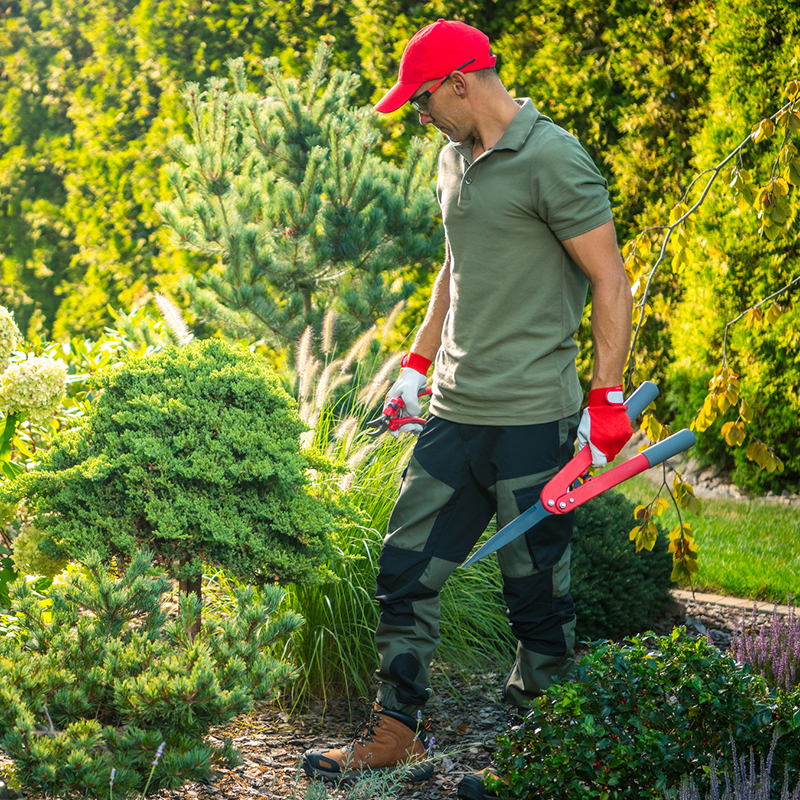
Maintenance practices complete the system. Composting, mulching and returning organic material to the soil help reduce waste while continually improving soil health. Over time, the landscape becomes more self-sustaining, requiring fewer inputs while delivering greater resilience.
A fresh layer of mulch acts as a natural weed preventative because weed seeds are much less likely to germinate under the mulch. But mulch is not just great for weed prevention—it also helps to reduce erosion, insulate the soil (minimizing temperature extremes) and preserve moisture in the soil,” according to CLC Landscape Design.
For homeowners accustomed to working with landscape professionals, this approach is less about replacing expertise and more about guiding it. The result is a refined, intentional outdoor space—one that balances aesthetic appeal with environmental intelligence, and quietly contributes to the health of the surrounding landscape.
Be sure to read the latest issue of NJ HOME for the latest trends, products, décor and more!