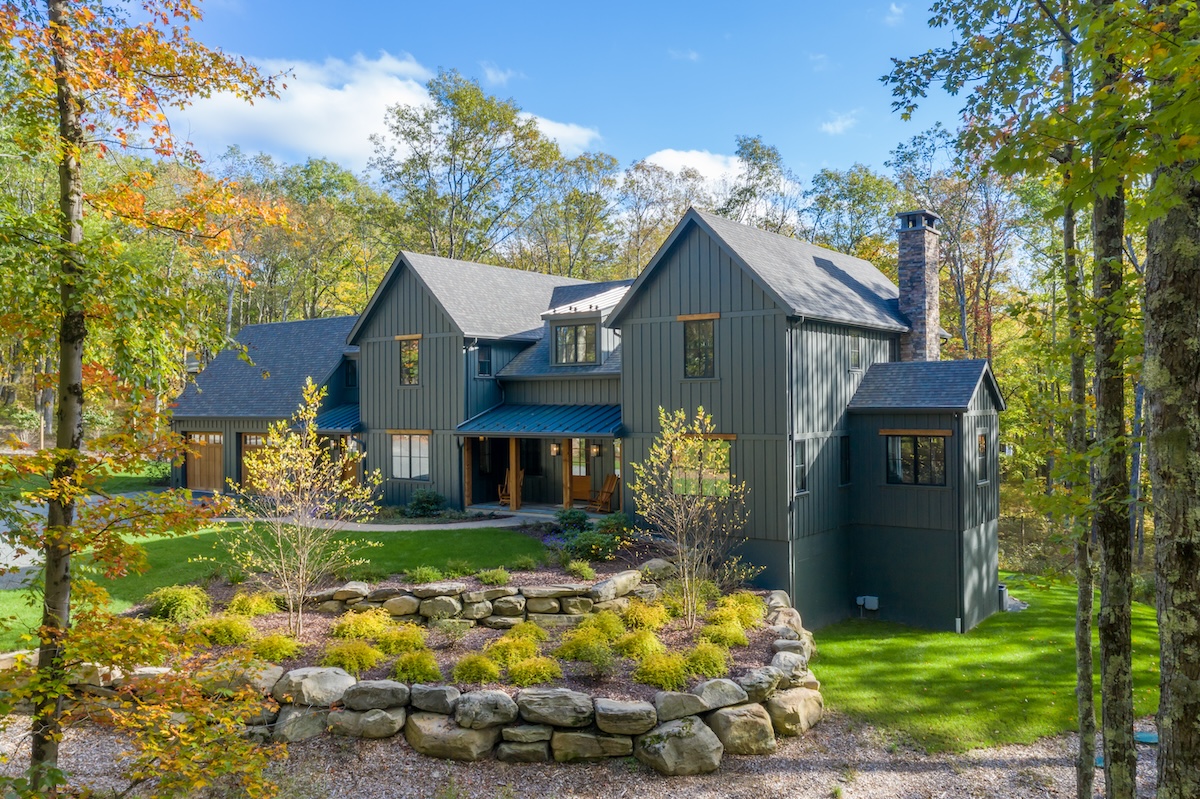
New Jersey homeowners are trading vinyl and wood siding for Hardie® fiber cement materials that offer long-lasting performance, less maintenance and proven durability.
Derean Gonzalez, vice president of New Jersey-based exterior remodeling company One Call Construction, says homeowners are moving away from wood and vinyl toward Hardie® siding, a fiber cement product that pairs style with trusted durability.
“Hands down, this has been our biggest Hardie year,” Gonzalez says. “We are huge advocates of the product. I put it on my own house, and it’s made a world of difference.”
With decades of fiber cement innovation, Hardie materials resist weather, fire, and pests. That means less maintenance, and a home that holds its appeal and value over time.
It’s an investment that Matt Logan, director of product management for James Hardie, says is well worth it.
“People love their homes and plan to live in their homes for a long period of time,” he says. “They want to invest in it, so they choose materials that are going to be durable and look great and authentic. They want their siding to perform and Hardie does.”
Protect Your Biggest Investment
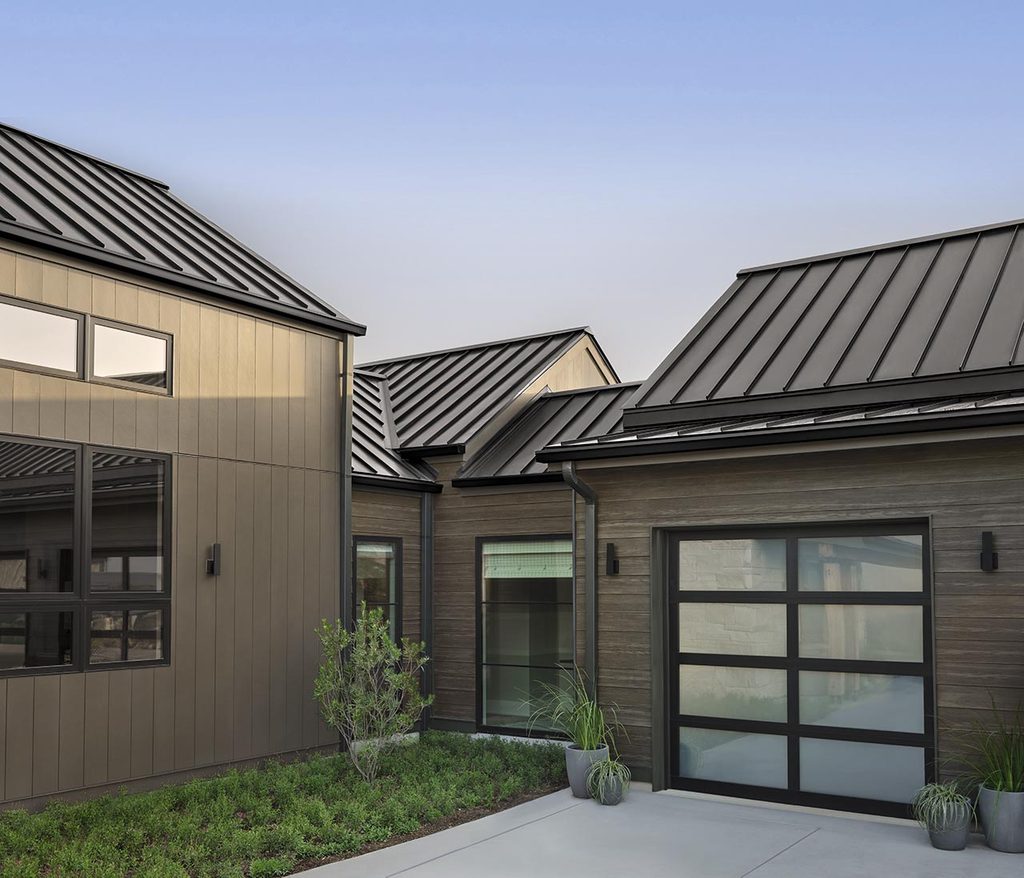
As a homeowner, you want to do everything you can to protect your largest investment – your home, and Hardie products are engineered with durability and safety in mind. Hardie® fiber cement products are noncombustible and/or have a Class A fire rating per ASTM E84. They won’t ignite when exposed to a direct flame, and they won’t add fuel to a fire. Wood, by contrast, can burn, and vinyl can melt under heat.
Pests and other critters can quietly chip away at your home’s exterior, and wood siding is especially vulnerable. Woodpeckers can peck at it, and termites can burrow through it. Hardie siding holds little appeal for these unwelcome visitors. In fact, it’s certified as a termite-resistant material under the National Green Builder Standard.
“Because Hardie is cementitious, animals and bugs or pests can’t eat it; you don’t see that damage,” Logan says.
Weathering the Storm
Siding faces the elements around the clock. Hardie products are Engineered for Climate® to resist damage from wind, rain, freezing temperatures, and hail, so homeowners can feel confident in every season.
Hardie tailors its formula to the region. For New Jersey, that means engineering for the freeze-and-thaw cycles that put the most stress on a home.
“It’s hot, then cold, then hot, then cold year-round,” Logan says. “The winter is harder on the home due to the moisture and freeze/thaw conditions.”
This is when wood products don’t perform as well. Swelling and cracks or splits along the edges of wood boards may occur as the material expands and contracts in response to changes in weather.
Vinyl, Logan notes, can crack, buckle, or sag in extreme heat, and it’s more prone to hail damage.
Due to its fiber cement formula, Hardie siding keeps its shape and therefore has low differential movement once installed.
Substance and Style
Hardie isn’t just the best choice for its durability – it also looks beautiful and offers homeowners many styles to choose from to reflect their lifestyle and bring their unique vision to life.
Hardie products provide warm wood-grain textures with seams that are less visible, versus wood siding that may require caulk or unsightly clips to properly maintain it.
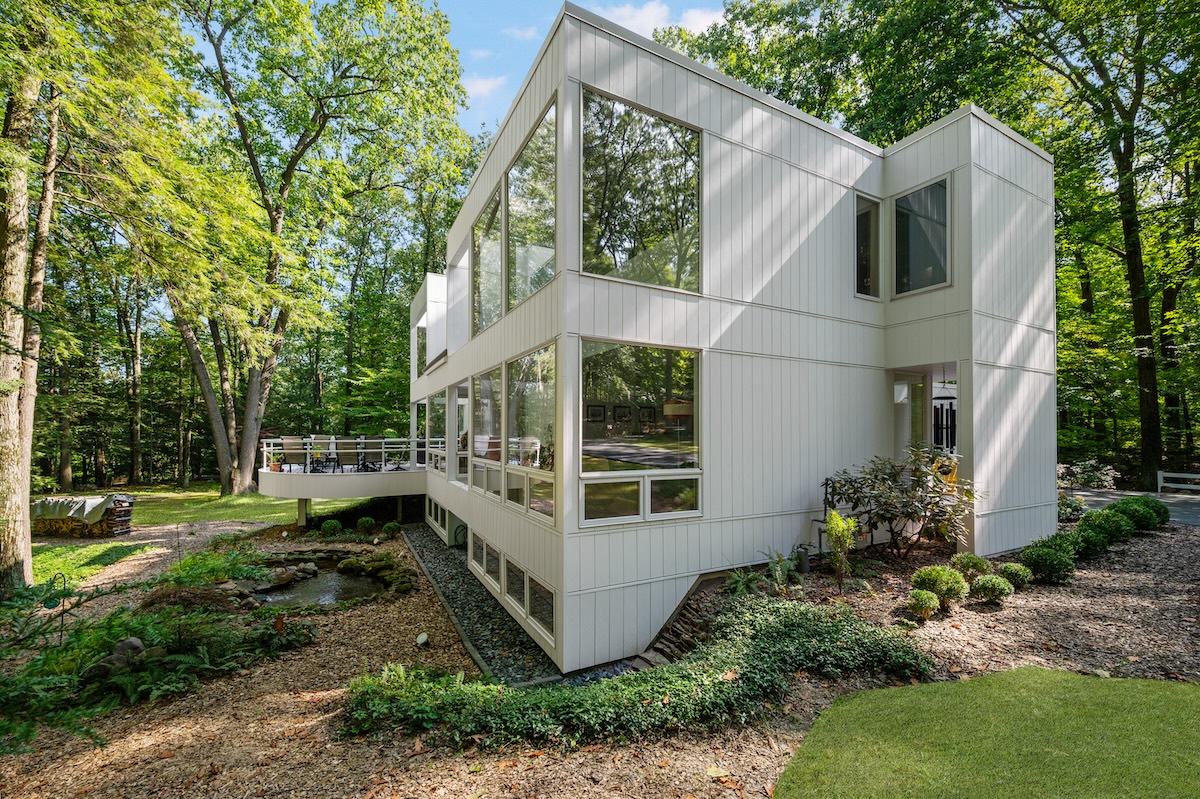
Logan says Hardie’s portfolio has a wide range of wood-look designs, from basic cedar mill patterns meant to emulate rougher cedarwood, to smooth plank wood for a more contemporary, transitional look.
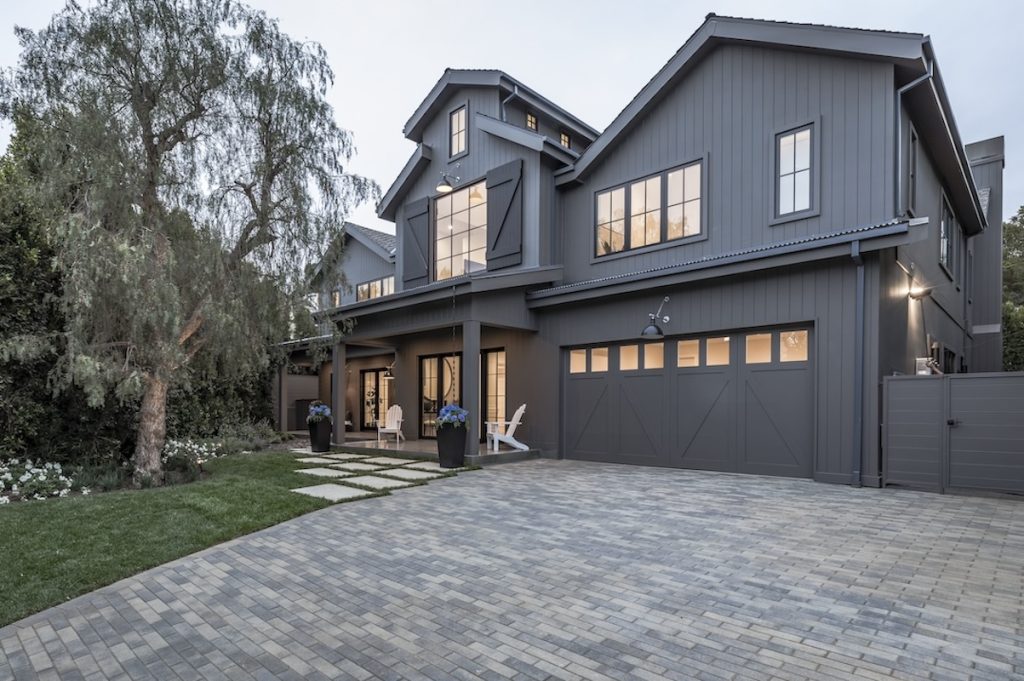
Hardie also has a suite of products that comes in panels for a farmhouse style that’s gained popularity in the northeast in recent years.
Logan also highlights the premium Hardie Artisan® Siding Collection, to create seamless shiplap, V-groove or square channel designs with deep shadow lines for a distinctly contemporary aesthetic.
Hardie products featuring ColorPlus Technology stand the test of time with a baked-on finish that resists fading, chipping, and cracking.
Logan says while siding gets most of the attention when it comes to Hardie products, it’s important to note that the company also offers trim, soffits and shingles.
“You can get a full home with Hardie’s fiber cement technology that has all the same benefits of the siding,” he says. “That’s important for homeowners to know, when they’re considering long-term maintenance of their home, their biggest asset.”
Questions New Jersey Homeowners May Have
What should New Jersey homeowners consider when choosing siding?
Consider how the material handles moisture, temperature changes, and everyday upkeep, along with the look you want for your home.
Why does climate matter when selecting Hardie siding?
James Hardie offers products engineered for different regions. According to Matt Logan, the formula used in New Jersey is designed with the state’s freeze-and-thaw cycles in mind.
Can homeowners use Hardie products beyond siding?
Yes. James Hardie also offers trim, soffits, and shingles for homeowners considering a coordinated exterior.
Is It Time to Rethink Siding for Your New Jersey Home?
If your siding is starting to show its age, don’t wait until a repair forces a quick decision. Take time to consider how you want your home to look and what you expect from its exterior in New Jersey’s changing seasons. Explore Hardie styles for your home, then connect with a local contractor to talk through the options and what the project would involve. Visit the James Hardie website at https://www.jameshardie.com/