As the nation prepares to celebrate its 250th anniversary, New Jersey’s historic landscape offers an inspiring connection to America’s founding era. Scattered throughout the state are distinguished homes, estates and public buildings that witnessed the drama of the Revolution while showcasing the enduring beauty of 18th-century architecture. Their walls hold stories of generals, statesmen and prominent families, but they also reveal a legacy of design and craftsmanship—sometimes simple, other times ornate.
These Revolutionary-era landmarks offer more than a history lesson. Many have been preserved, allowing visitors to admire the hand-crafted millwork, original stonework, period furnishings and thoughtfully restored interiors. They provide a rare opportunity to step inside the architectural traditions that helped shape both New Jersey and the nation, making them especially worthy destinations as America approaches this historic milestone.
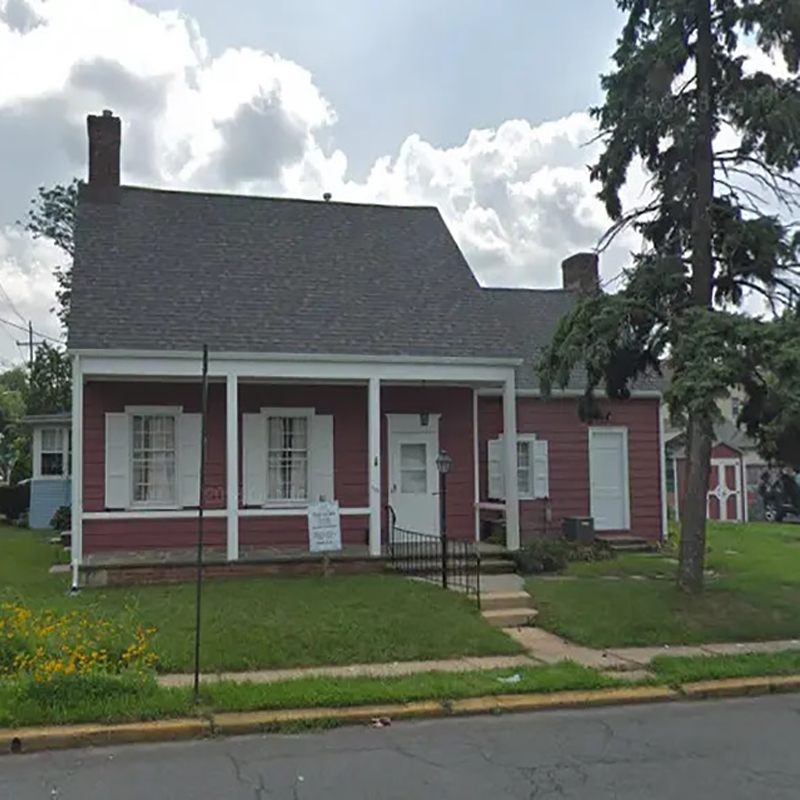
Abraham Clark House, Roselle. Clark was one of five New Jerseyans to sign the Declaration of Independence, and he lived at this spot throughout the war and afterward, when he served with the House of Representatives. Following a fire, the house was rebuilt as a replica in 1941and is now home to the Office of New Jersey State Society of the Sons of the American Revolution.
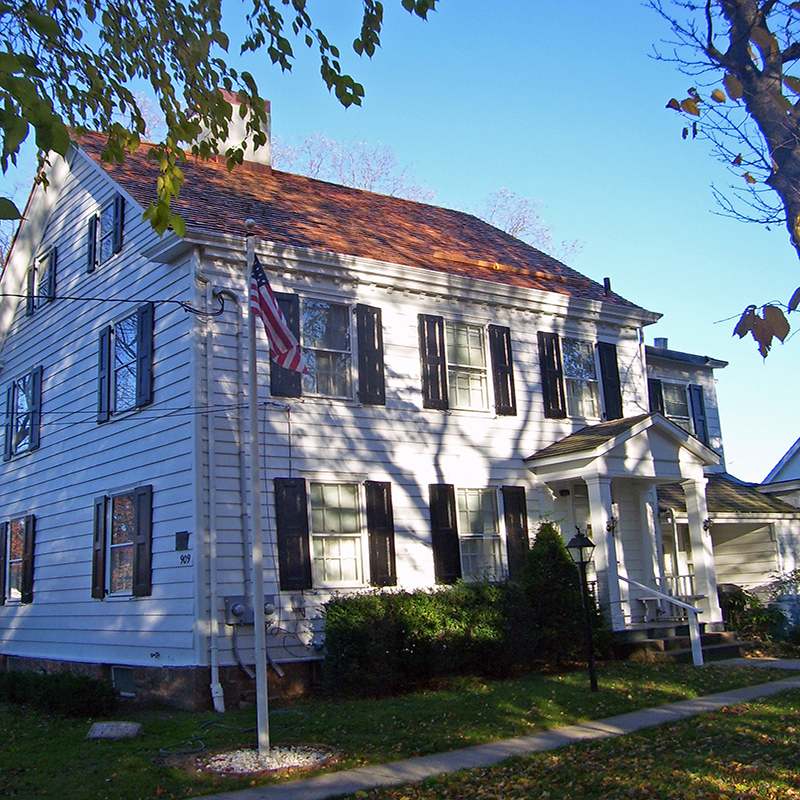
Caldwell Parsonage, Union. Presbyterian minister James Caldwell and his family lived at this home during the American Revolution. It is believed that a British soldier passed by and fired two shots through a window, killing his wife. The British later burned down the home, but it was soon rebuilt on its original foundation. Today it houses the Union Township Historical Society.
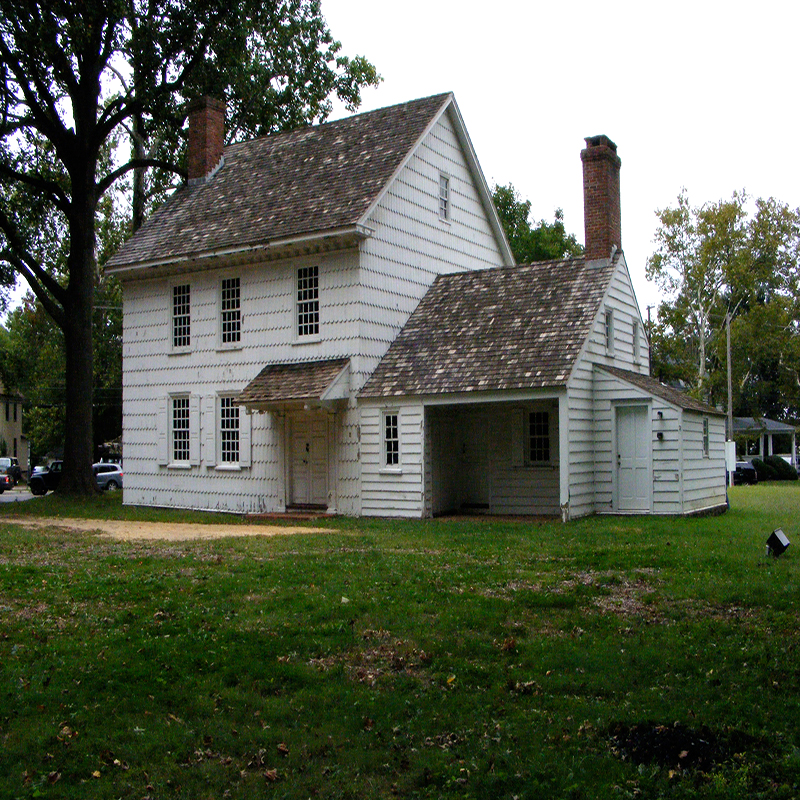
Covenhoven House, Freehold. In the days leading up to the Battle of Monmouth, British Gen. Henry Clinton stayed at this house, which William Covenhoven had built using a combination of English Georgian features and Dutch traditions. Just 4 miles away is the Old Tennent Presbyterian Church, which was a field hospital during the war.
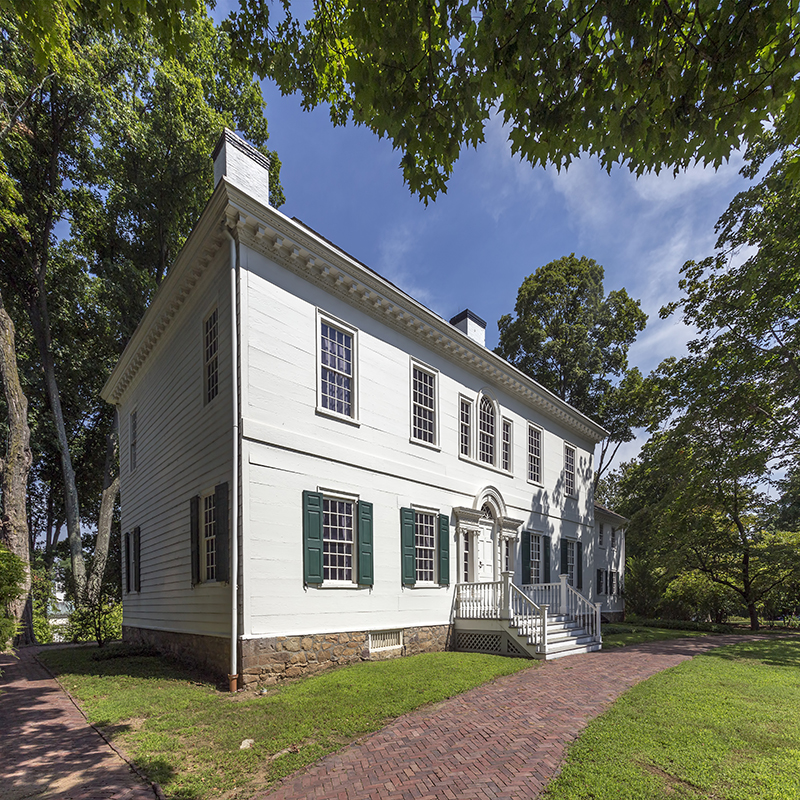
Ford Mansion, Morristown. Located in the heart of Morristown, this building is also known as Washington’s Headquarters. Gen. George Washington stayed here during the Revolution, from December 1779 to June 1780. It’s since been preserved and furnished to reflect how it might have appeared during Washington’s stay. Guided tours are offered.
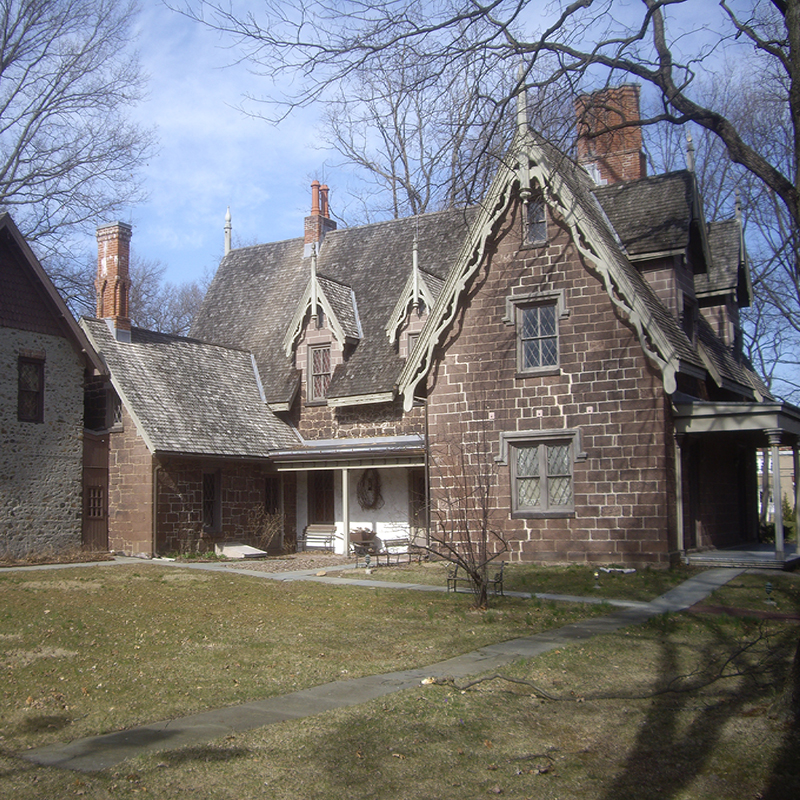
The Hermitage, Ho-Ho-Kus. During the Revolution, the mansion was home to British officer Lt. Col. James Marcus Prevost and his wife, Theodosia. Theodosia was friendly to American soldiers, and she offered the home to George Washington to use as a headquarters. After Prevost died, she remarried the following year to Aaron Burr, who later served as vice president of the U.S.
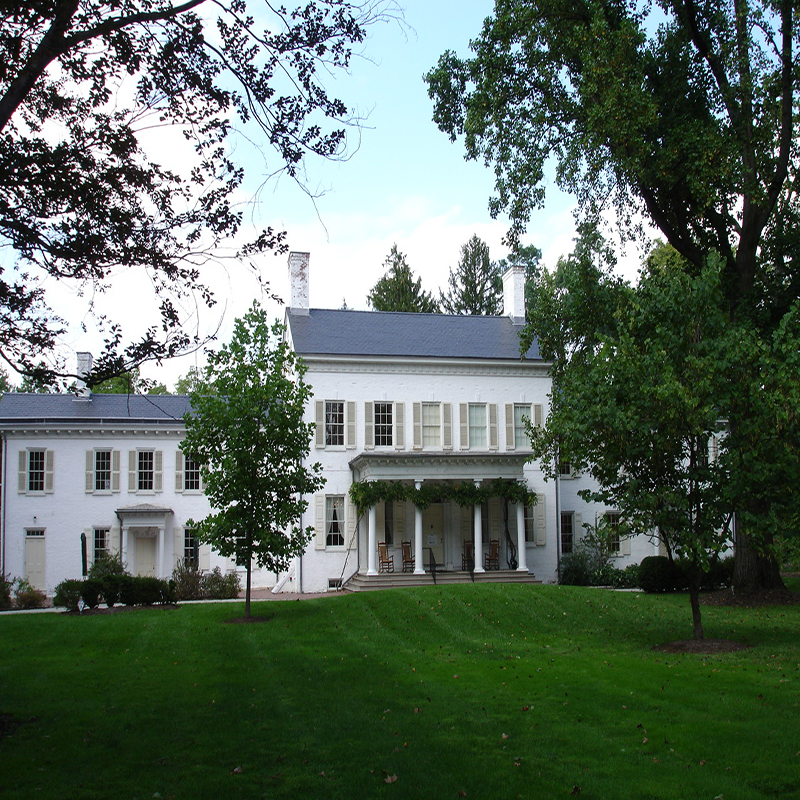
Morven Museum & Garden, Princeton. In the 1750s, Richard Stockton—the first New Jerseyan to sign the Declaration of Independence—built a house on the land his father (also named Richard) was granted by William Penn. The younger Stockton’s wife named the home “Morven” after a mythical Gaelic kingdom. It would later become the residence of Robert Stockton and Robert Wood Johnson II and served as the governor’s mansion from 1944 to 1981. Today, the museum and its adjoining garden are open to the public.
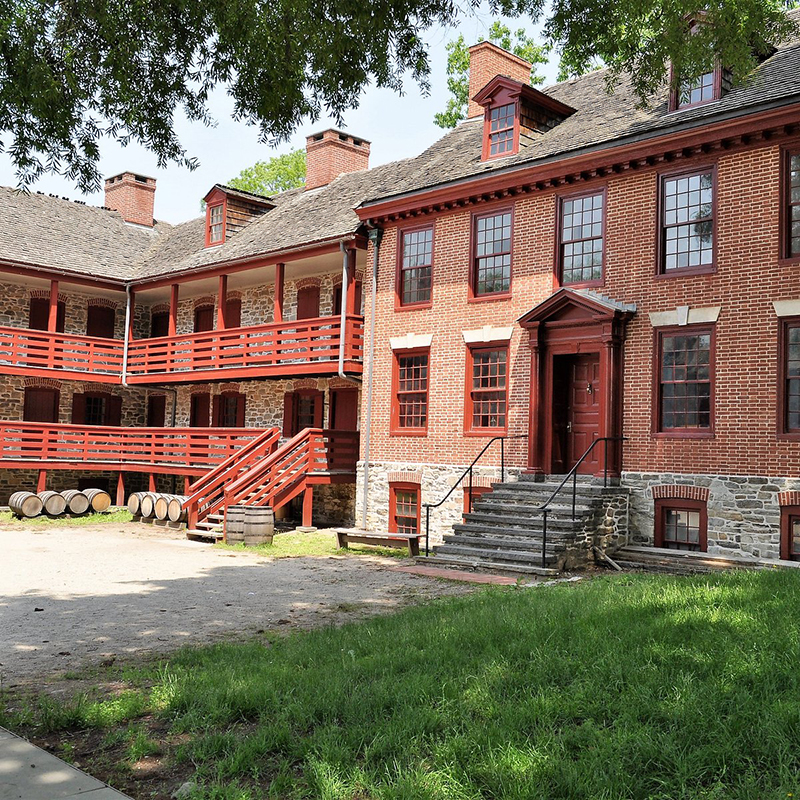
Old Barracks Museum, Trenton. Originally built for soldiers during the French and Indian War, the barracks was used as a holding area for British prisoners of war and a hospital for the Continental Army during the Revolution. Today, the museum houses nearly 2,000 historical artifacts. The museum is closed until July 4.
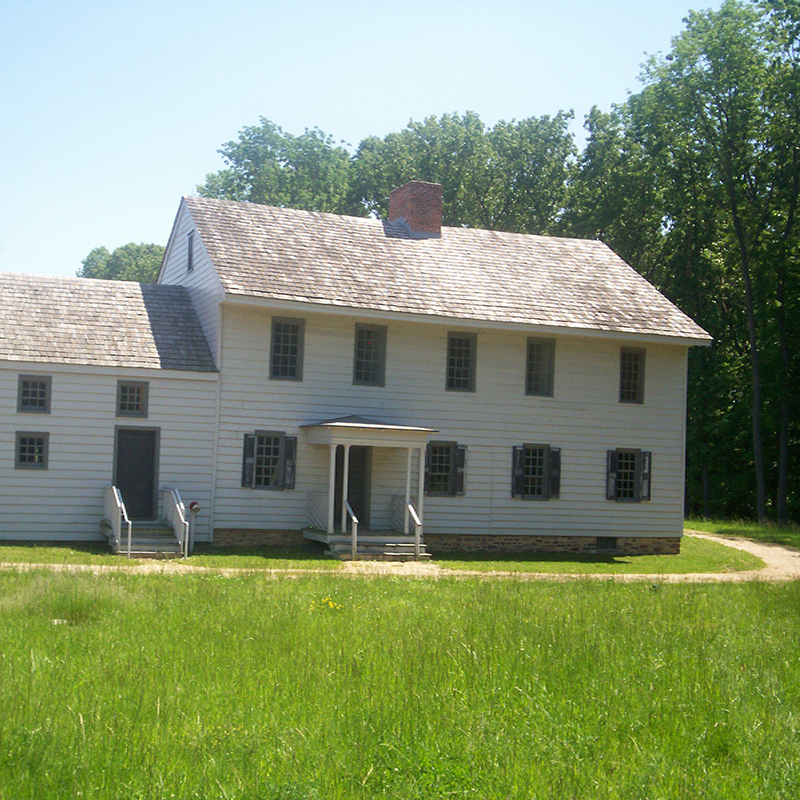
Rockingham State Historic Site, Franklin Township. Gen. Washington took up residence at this home, believed to be constructed around 1710, and stayed between August and November 1783. It is during this time that he wrote his Farewell Orders to the Armies of the United States, giving thanks to the troops and announcing his retirement from the military. The home has since been restored and is open to visitors.
For more design news, trends and tips in New Jersey, be sure to read The Guide in the latest issue of NJ HOME.