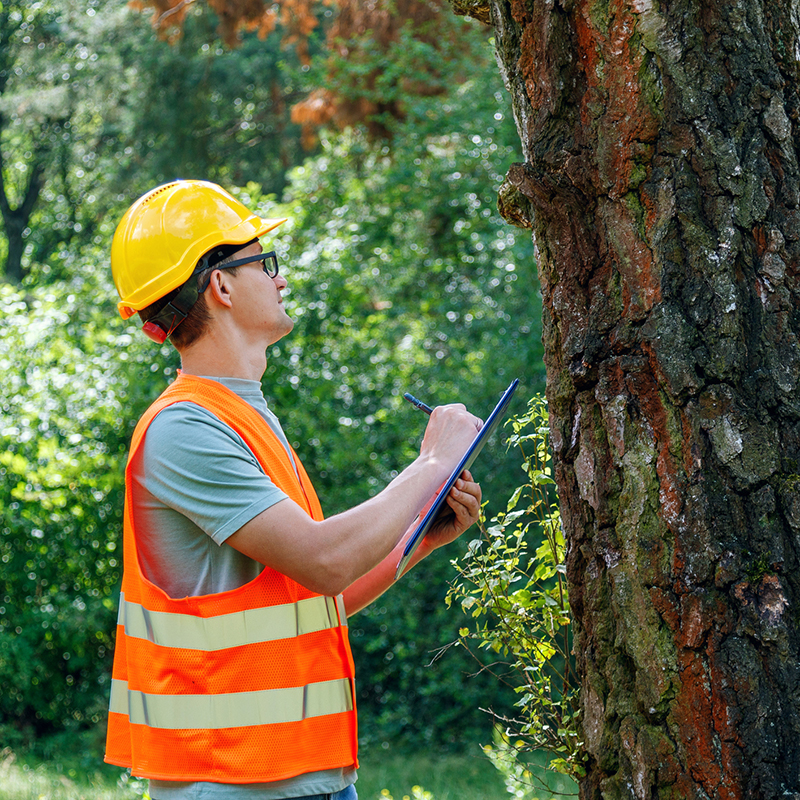
As winter loosens its grip on the Northeast, our landscapes begin to reawaken—and so do the hidden stresses our trees have endured. Snow load, ice damage and whipping winds can all take a quiet toll, leaving behind weakened limbs, compromised structure and early signs of disease that aren’t always visible to the untrained eye. Just as we schedule seasonal maintenance for our homes, spring is the ideal moment to give trees the expert attention they deserve.
While weekly landscapers play an important role in keeping lawns manicured and beds tidy, tree care requires a more specialized skill set. Certified arborists and professional tree experts understand structural integrity, soil health, pest management and strategic pruning techniques that protect both the beauty and long-term safety of your property. Proper tree maintenance isn’t just about curb appeal—it’s about preserving value, preventing costly damage and ensuring your landscape matures as gracefully as the home it surrounds.
As you get out in your yard this season and admire the canopy, consider these tips:
Spot problems
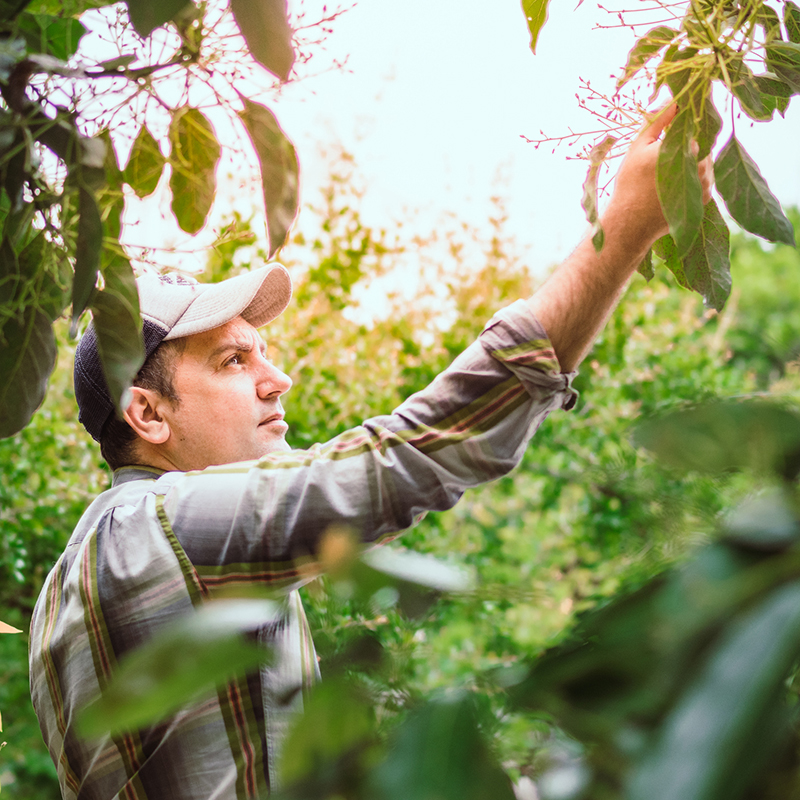
Check your trees early to get an idea of what you’ll need to do throughout the season. Homeowners can identify when pests eat leaves, but certain damage isn’t as noticeable. Many insects also feed on plant roots. Arborists and licensed professionals can conduct computerized tests and scans to identify problems beyond a tree’s surface.
Prune properly
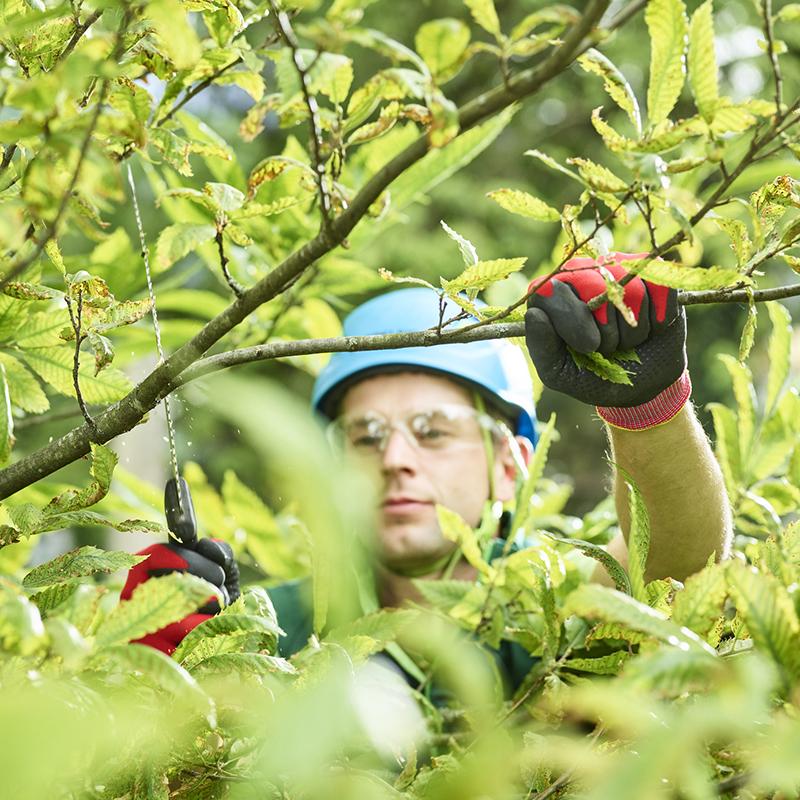
Growth and damage during the off-season may have left trees and shrubs misshapen, so many homeowners will want to prune them. But tree pruning is more than just shaping—“it’s about managing weight, correcting structural weaknesses, reducing storm risk and preserving property value,” says Michael Hufnagel, owner and arborist at Middletown-based Hufnagel Tree Service. “Professional pruning focuses on structure first. By selectively reducing weight at the ends of limbs and correcting imbalanced growth, we help trees maintain strength without sacrificing their natural form. Improper pruning can weaken a tree, create decay or increase the risk of failure during storms.”
Time to trim?
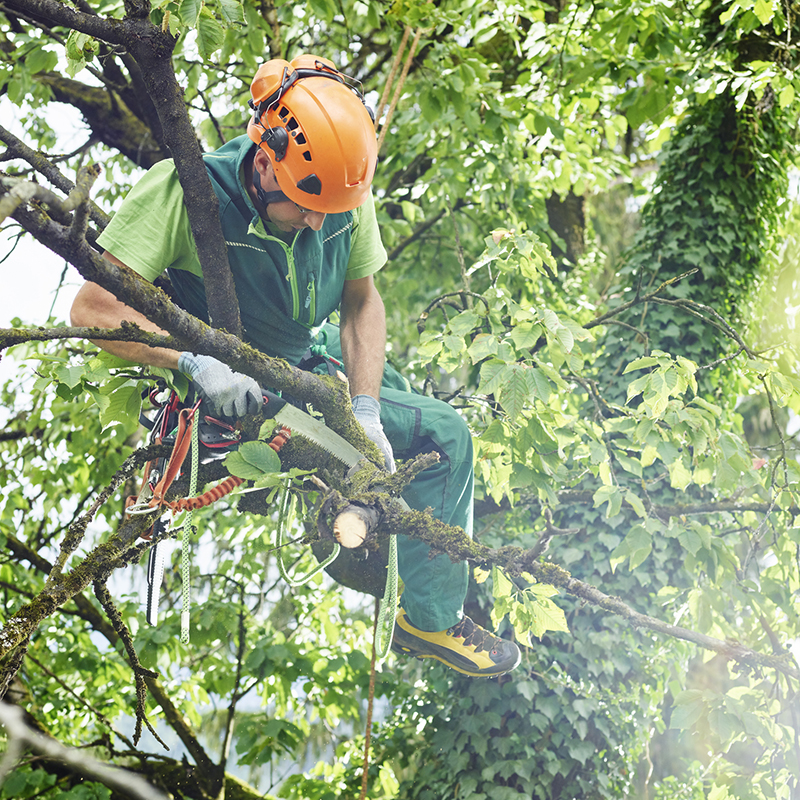
Your tall trees have survived another winter, but how long can they keep it up? Before you start cutting from the canopy, have an arborist look at suspect trees and determine any level of decay. “Strong winds, seasonal storms and saturated soils place stress on large canopies and root systems,” notes Hufnagel. “These conditions demand proactive, professional tree care rather than reactive cleanup after damage occurs. Different species respond best to pruning at specific times of year, and improper timing can lead to stress, excessive regrowth or disease issues.” Have a professional determine the best pruning window for each tree rather than following a generic schedule.
Restore, don’t remove
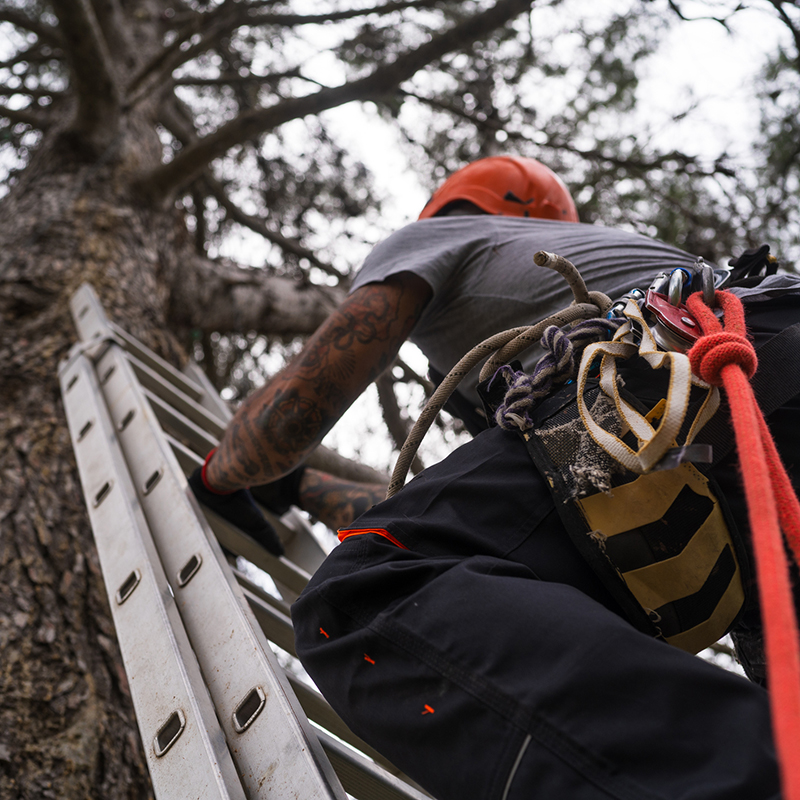
Though an aging tree in the yard may look hazardous, it may not need removal. An arborist can help you decide. “Risk mitigation is not fear-based—it is prevention,” our expert says. “A few targeted cuts today can prevent thousands of dollars of property damage tomorrow. That is real protection. So many trees can be saved with the right approach. Structural correction, strategic trimming, airflow improvement, selective weight reduction, cabling, bracing: There are many ways to restore a tree safely.”
For more expert advice for your home, check out the latest issue of NJ HOME.