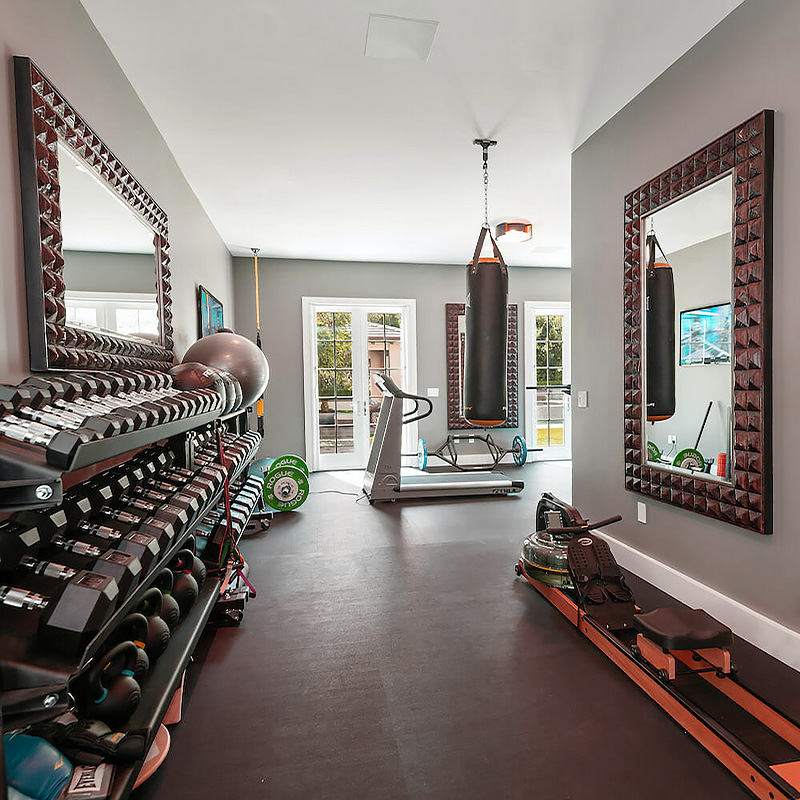
If getting to a health club is slowing down your fitness goals for the new year, why not bring the gym to you? As wellness continues to shape how homes are designed in 2026, the home gym has evolved from a spare room with a treadmill into a fully considered personal retreat.
For busy homeowners juggling demanding schedules, a thoughtfully designed gym offers consistency, privacy and a level of comfort no membership can match. The key is creating a space that feels as intentional as the rest of the home—one that invites you in and keeps you coming back.
A January 2025 New York Times article called at-home workouts the latest health trend that fitness experts “hate”—they’re so easy that anyone can do them with little to no supervision. (You’ll want to check with your doctor, however, to make sure you’re physically able to exercise.)
Palette power
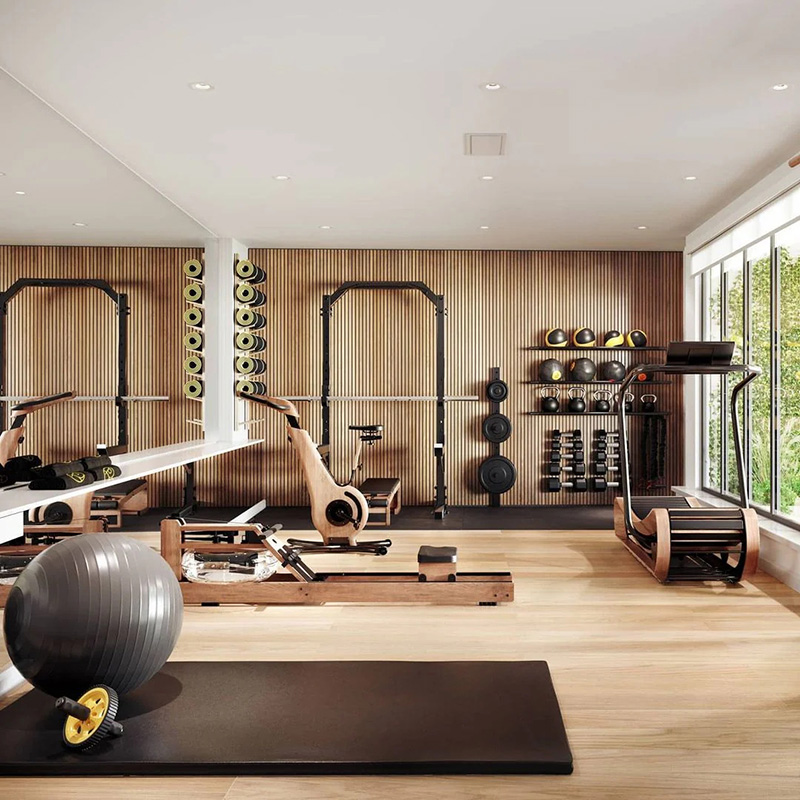
Color plays a powerful role in how a gym feels. Paint pros like Valspar and Sherwin-Williams are favoring earthy, warm and rich tones as well as neutrals that promote focus rather than overstimulating the viewer. Consider pairing Benjamin Moore’s “Pale Oak” or Farrow & Ball’s “Skimming Stone” on walls with a deeper hue above for subtle tonal layering that feels both restful and energizing.
Design, then deadlift
The foundation of an inspiring gym starts with the room itself. Consider a space with abundant natural light, layered and customizable lighting and flooring that balances performance with aesthetics. (You’ll want to protect tile or hardwood floors with high-performance rubber or premium cork mats.) Mirrors should be placed to enhance form and reflect light without overwhelming the space.
The right equipment
Luxury home gyms prioritize versatility over volume. While the local gym has warehouse-sized area for its layout, you should avoid crowding your space with equipment. Choose standout pieces that offer diverse workouts, including these “smart” apparatuses and devices:
- A Peloton Bike+ or Peloton Tread can offer immersive cardio classes and sleek, modern design.
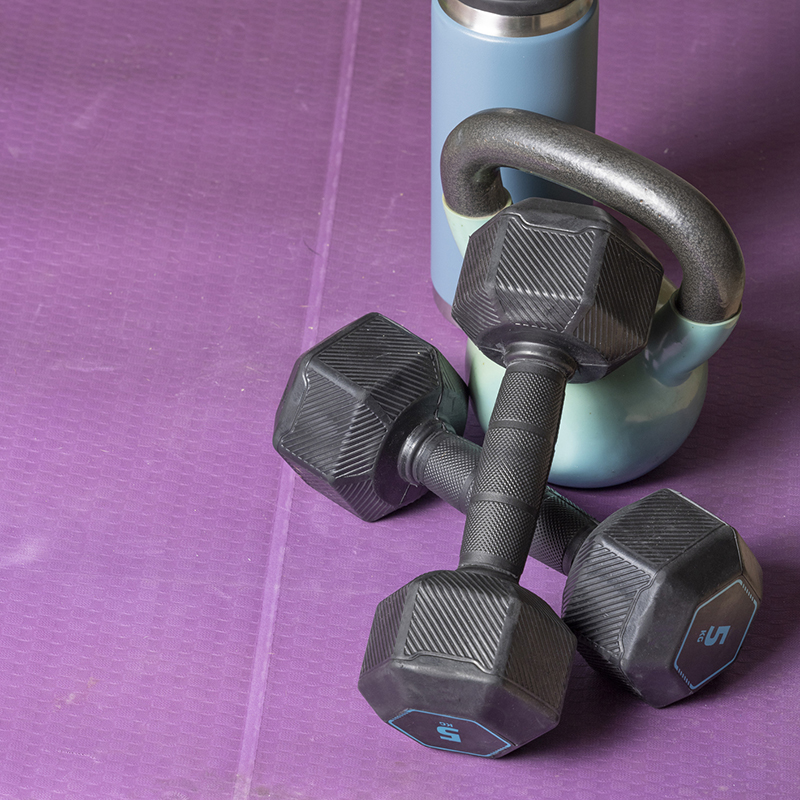
- Adjustable dumbbells, such as those made by PowerBlock Elite, eliminate the need for multiple sets of weights and bulky racks. If you’re using barbells for presses or squats, consider rubber-coated or urethane-coated bumper plates, which increase durability and safety over their iron and steel counterparts.
- A TRX Suspension Trainer, resistance bands or similar functional training system can be used for strength and mobility exercises. Suspension systems use a person’s own body weight and a series of compact straps and bands for resistance training, so they require less space than traditional weights. “Using resistance bands creates mechanical tension and metabolic overload in the muscle, so it’s just as good as using dumbbells,” says Maik Wiedenbach, a two-time World Cup swimmer for Germany, adjunct professor at New York University and owner of an eponymous personal training firm in New York. Physical therapists and physical trainers alike have lauded resistance bands for their economy and adaptability. “They are more portable and much more affordable than weights,” Wiedenbach says. “You can fit 300 pounds of resistance in your backpack, and you only spend about $80. When my gym was closed during COVID, we trained people outdoors with bands.”
- Because working out doesn’t always mean bicep curls and bench presses, reserve space for low-impact conditioning such as yoga and Pilates. Essential equipment includes resistance bands, Pilates mats, ball and rings. For the studio vibe, a foldable Pilates reformer can offer a great workout while saving space.
Tech that works
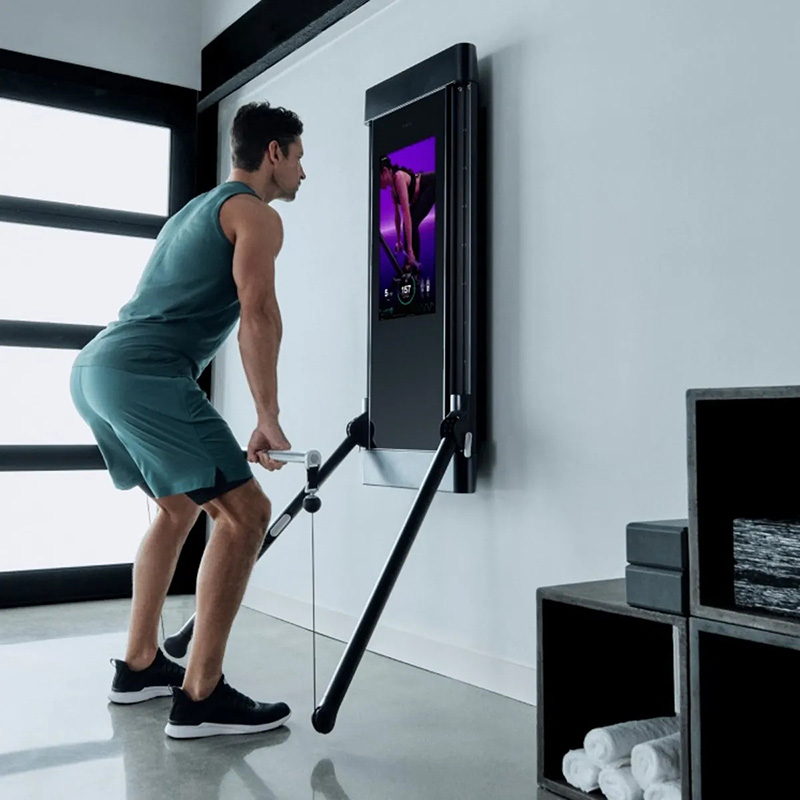
Technology can turn a home gym into a true wellness hub. Built-in screens or discreetly mounted tablets allow seamless access to virtual training programs. Add a premium audio setup—soundbars or ceiling speakers—for immersive motivation. Smart climate control and adjustable circadian lighting support energy before workouts and calm afterward.
Smart storage
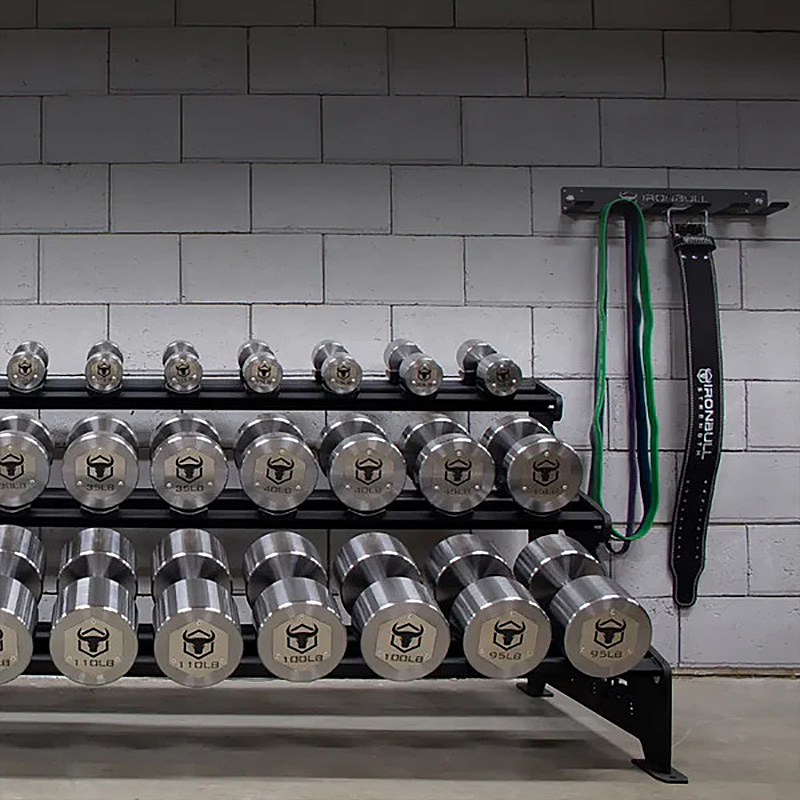
Clutter is the fastest way to derail motivation. Custom cabinetry and wall-mounted racks from keep equipment accessible but out of sight. Design storage to feel like millwork—matte oak, lacquered panels or stone veneers—that complements the home’s aesthetic.
Personal touches
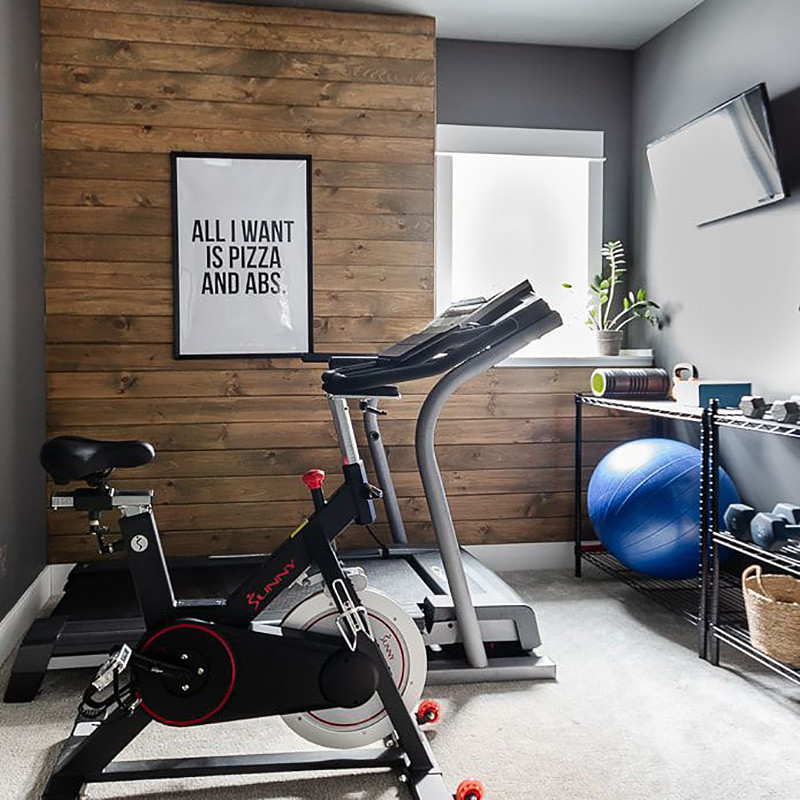
What truly makes a home gym irresistible is personalization. Framed art, a live plant wall or a small refreshment station with chilled water transforms the space from functional to aspirational. Even a dedicated recovery corner with foam rollers, massage guns and even an infrared sauna panel can give your gym that never-want-to-leave feel. Clearing a space for meditation or mindfulness? “It can certainly just be a part of a room,” notes Marina V. Umali of Ridgewood-based Marina V Design Studio. “Create the space by having a cozy seating area. By laying out a yoga mat you can claim the area as your meditation oasis or place your favorite chair with a nice blanket so that the space is inviting and comfortable.”
In 2026, the best home gyms aren’t about extremes or excess. They’re about intention, efficiency and creating a space that supports wellness in real life—on your schedule, in your style and without ever needing to leave home.
Share photos of your home gym with us on Instagram @njhomemag.