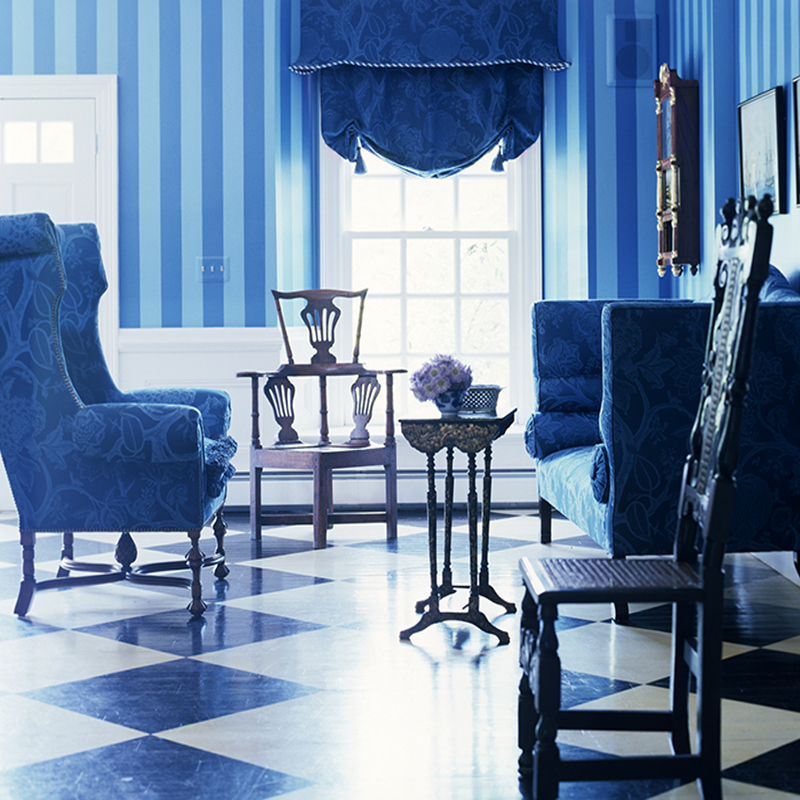
Every year around this time, our inboxes—and imaginations—fill with the latest color of the year proclamations. Suddenly we’re all debating the virtues of serene blues, optimistic greens and whatever irresistible shade is poised to take over our mood boards.
But before you settle on a single swatch, consider a trend that lets you truly commit: color drenching. “It’s the art of enveloping a room in a single hue—walls, trim, moldings, even the ceiling,” says interior designer Adina Kornbluth, owner and principal designer at Adina Kornbluth Designs in Airmont, New York. “Rather than breaking up a space with white or neutral accents, this technique immerses every surface in one shade, creating a cocoon of rich, dimensional color.”
If the new year has you craving a bold, cohesive way to play with color, this could be your most stylish leap yet. But there are ways to use color drenching properly.
“Because the look is so powerful, I suggest using it selectively—in focal spaces such as a dining room, a living room or a primary bedroom,” she says. “A little color drenching goes a long way. Done right, it can transform a room into the jewel of the home.”
Here, Kornbluth shares some tips.
Consider light
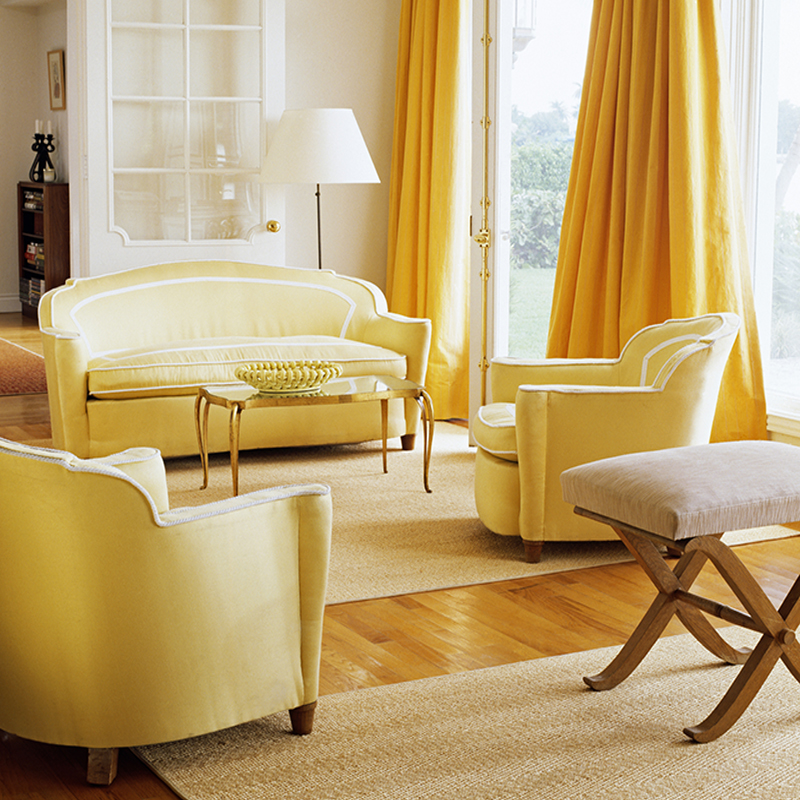
No, we don’t necessarily mean ceiling fixtures or accent lamps. You should consider how natural lighting will highlight colors.
“When executed thoughtfully, color drenching enhances both depth and atmosphere,” Kornbluth says. “As light shifts throughout the day, it plays across the surfaces, amplifying the mood without overwhelming the senses. The result is a space that feels cohesive and sophisticated.”
Choosing colors
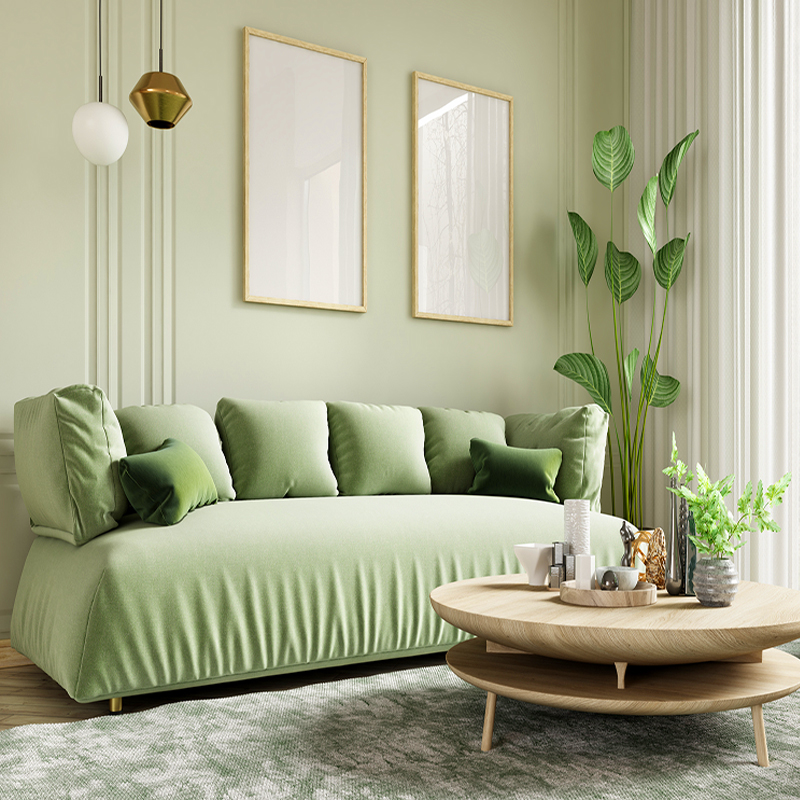
When color drenching, Kornbluth prefers using “tones that transform as natural light moves through the room.”
“Deep blue-grays, smoky greens and muted aubergines work beautifully, lending a sense of intimacy and drama,” she says. “Lighter palettes also can be effective, but I recommend choosing hues with depth and complexity for the most compelling results.”
Vary the finishes
Different shades of a specific hue can provide depth, but also consider varying paint finishes to add nuance and dimension to a space. Kornbluth suggests, for instance, choosing an eggshell finish for baseboards and crown molding, matte for walls and flat for the ceiling.
“These subtle variations help catch the light and bring the color to life,” she says.
But that doesn’t mean using the same finish on all surfaces can’t work. “Doing so will create a truly seamless, immersive experience where walls, trim and ceiling visually melt into one another, achieving a moody, enveloping effect,” says Kornbluth.
Want more expert advice? Click here to read “Ask the Experts” in the December/January issue of NJ HOME.